








Fire safety is a complex problem without a single answer. Learn how to engineer and design fire-safe spaces.

Brought to you by

Overview
With the Science of Fire Safety, students will:
- Discover the characteristics of fire-safe spaces
- Explore a range of fire safety technologies
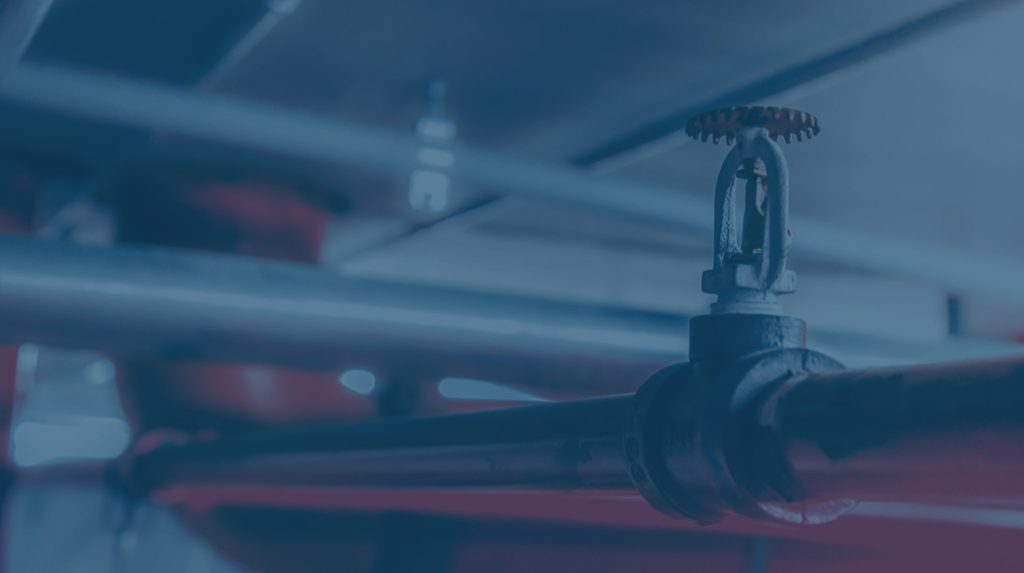
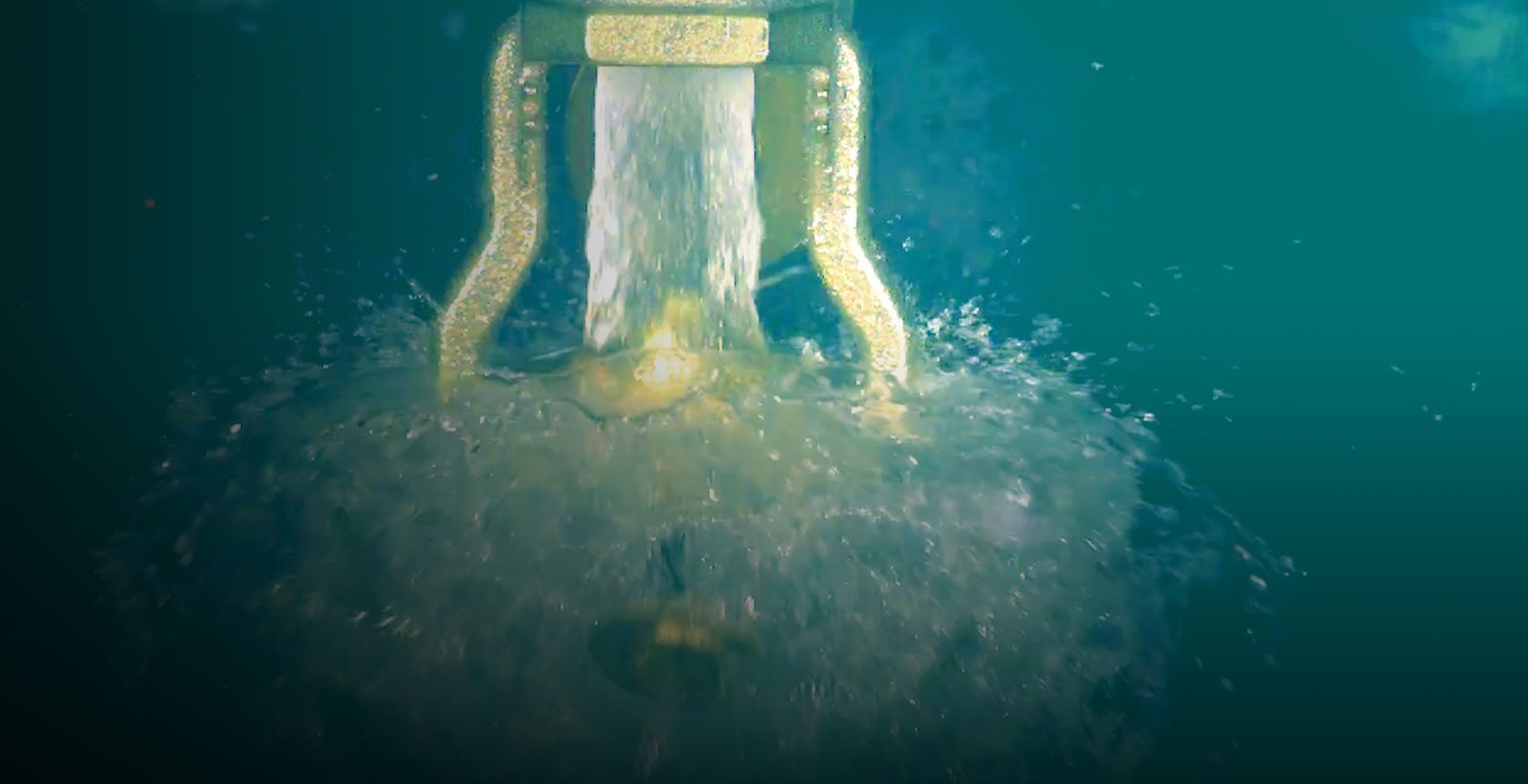
- Learn about different types of fire sprinklers, their functions, and impact
- Understand the science behind how fire sprinklers work
- Investigate how liquid behaves when thermal energy is added
- Evaluate and design fire-safe spaces using their learnings
This pathway can be completed in 1-2 class periods.
This topic was produced with support from


In-class Resources
This topic includes stand-alone resources that can be used on their own or in combination with each other.
Popular
For Students
For Educators
Load more

Powered by
safety science & education experts
UL Research Institutes is a leading independent safety science organization with global reach that is committed to building a safer, more sustainable world. ULRI’s Institute for Research Experiences & Education focuses on bringing current and future generations into the world of safety science through resources, platforms, and programs guided by educational research.