




The Science of

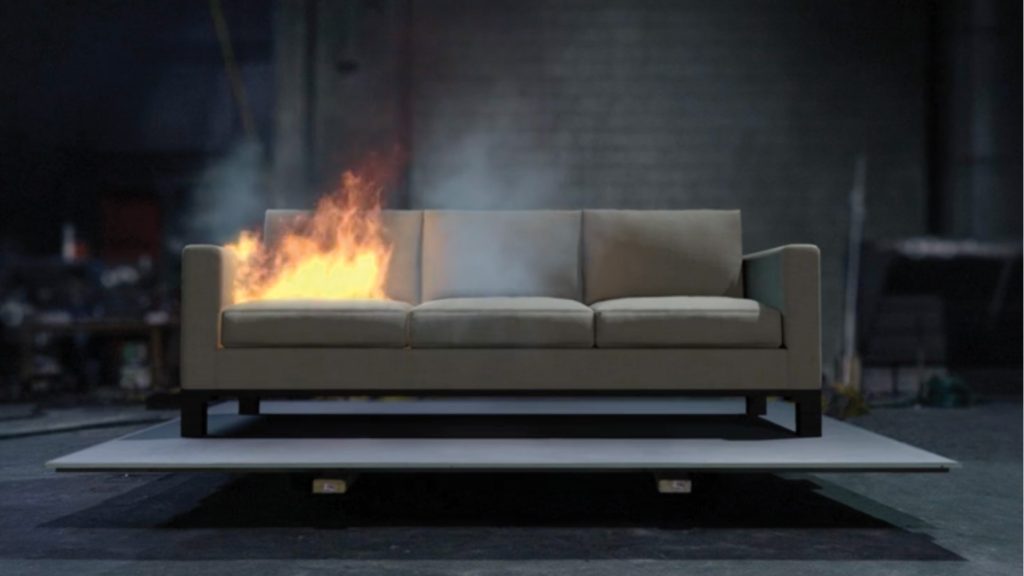
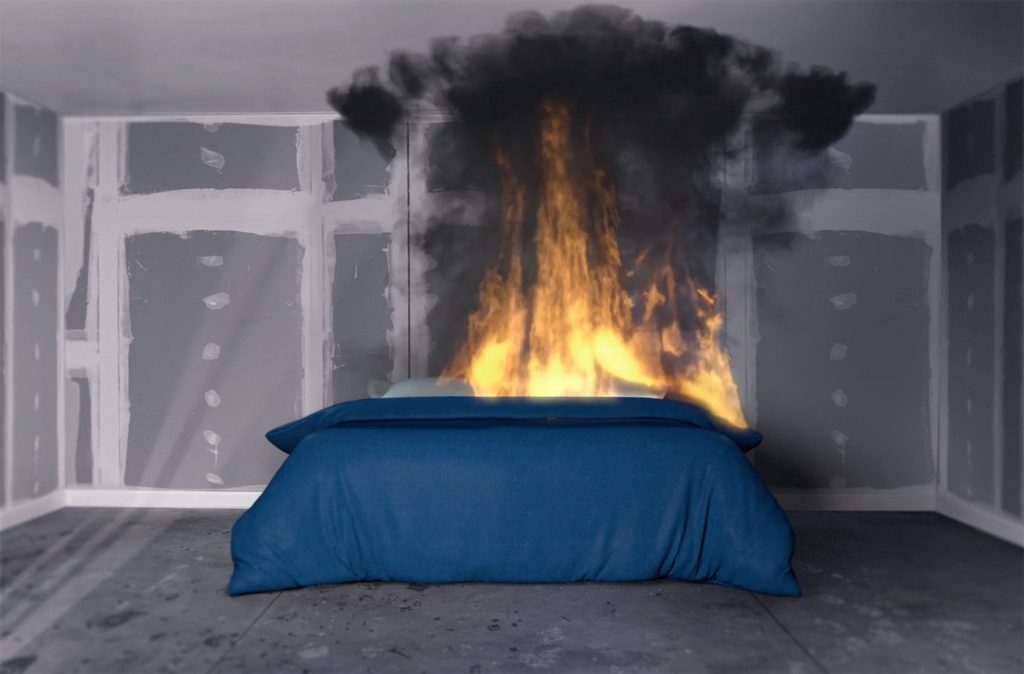
There’s been a fire. Investigate the burn patterns and figure out where the fire started and how.

The Science of

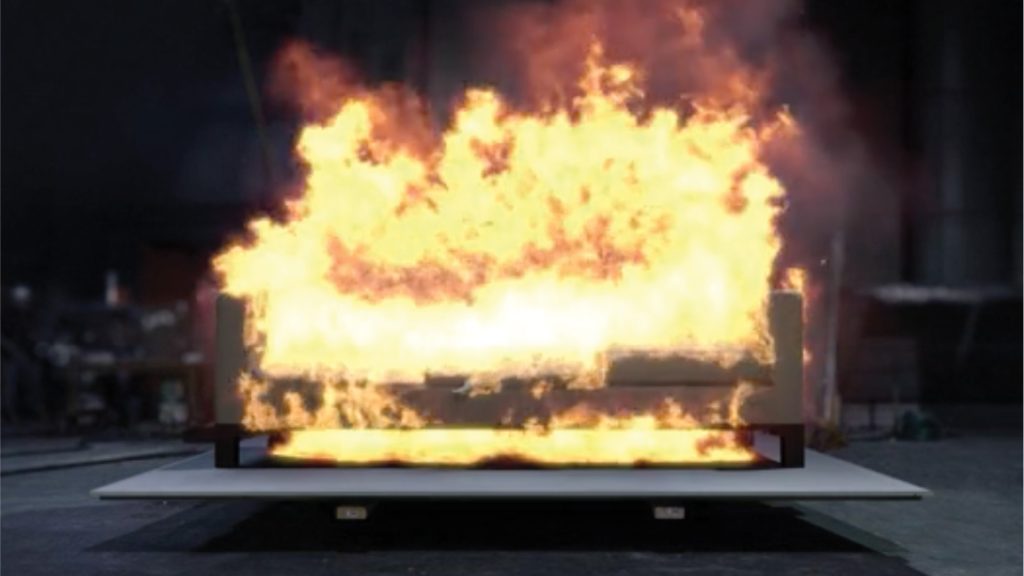
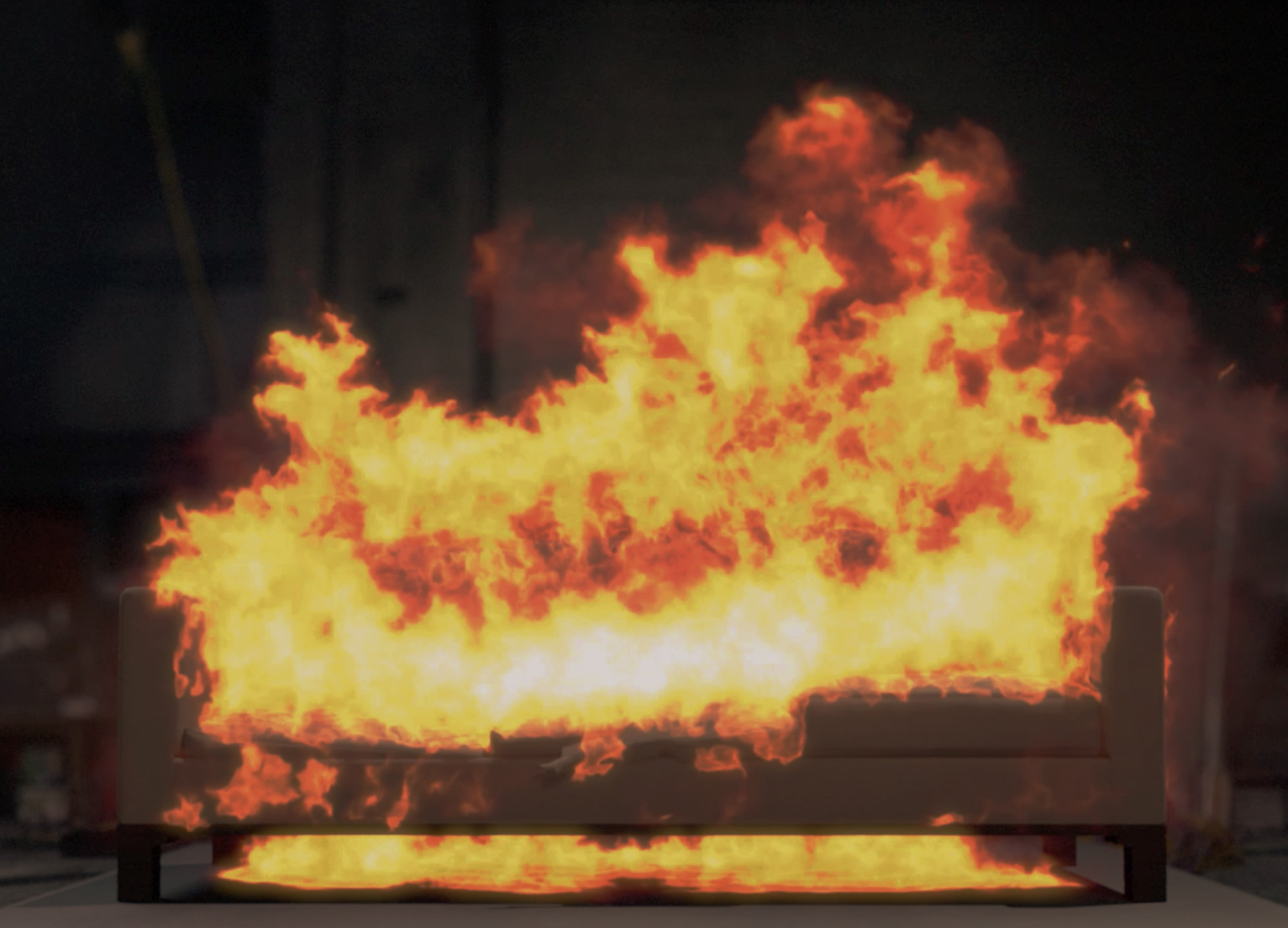
Fire safety is a complex problem without a single answer. Learn how to engineer and design fire-safe spaces.

The Science of

Safe and sustainable cities will depend on lithium-ion batteries to power our modern lives. But what are the costs?

The Science of

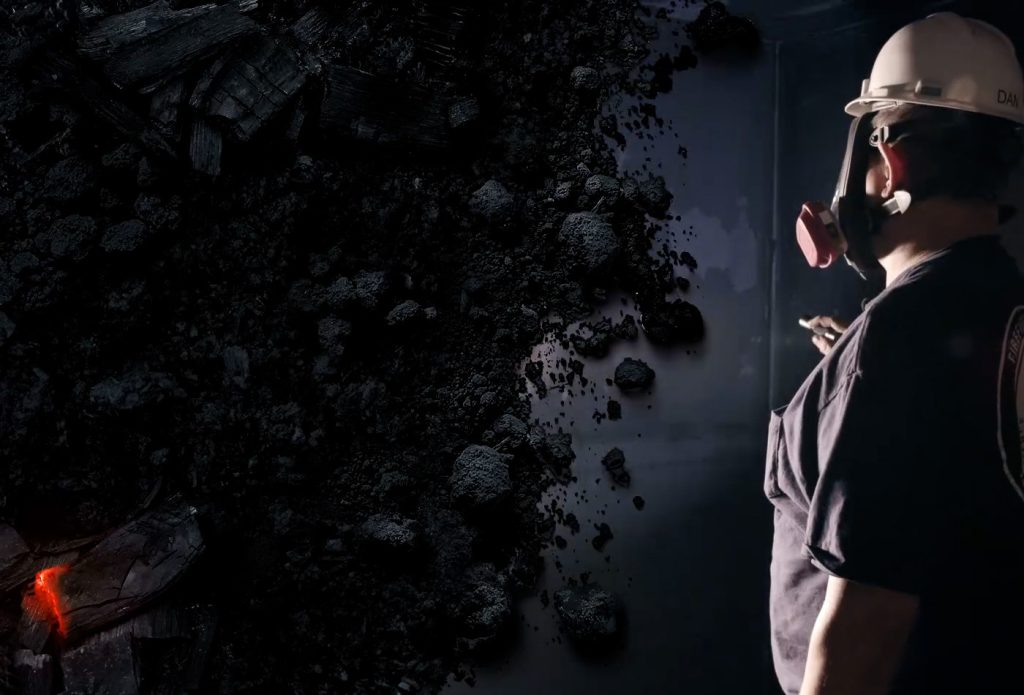
Lithium-ion batteries in your favorite devices make our daily lives possible, but they also come with risks. Join the search for safer solutions.

The Science of Fire Forensics

There’s been a fire. Investigate the burn patterns and figure out where the fire started and how.

Brought to you by

UL Research Institutes

Overview

With the Science of Fire Forensics, students will: 

  • Build an understanding of the science of fire dynamics
  • Learn how fires start and spread
  • Apply scientific reasoning to investigate fires and analyze a real fire scene
  • Make a claim about how and where a fire started using evidence and scientific reasoning

This pathway can be completed in 2-5 class periods.

Relevant NGSS Standards
  • Matter and its Interactions
  • Energy
This topic was produced with support from

The Science of

Fire Forensics

A ‘pathway’ is a guided journey through the science of Fire Forensics that brings students through discovery and education including key topics such as fire development, energy transfer, and the use of evidence and reasoning. The pathway is broken down into 4 main sections.

1
There’s Been a Fire

Fire protection engineers and scientists conducted a burn in a large-scale fire lab. Your job will be to investigate the origin of this blaze, and build a claim supported with evidence and reasoning. Just like a real investigator!

2
Investigators Academy

Welcome to the Investigators Academy! While fire may seem unpredictable, it develops and behaves in ways that we can understand scientifically. Here you’ll learn the basics of fire.

2a
What is fire?

On this page, you’ll obtain information to understand what fire is and the evidence it may leave behind.

2b
How does fire develop?

On this page, you’ll obtain information to understand how fire develops and the evidence it may leave behind.

2c
How does fire behave?

On this page, you’ll obtain information to understand how fire behaves and the evidence it may leave behind.

3
Guided Investigation

Fire investigators are trained to work backwards to fill in the story. On this page, you’ll obtain information to understand how investigators look for evidence and communicate their claims.

4
Solve the Case

It’s time to put your knowledge and skills to the test! On this page, you will obtain evidence from a kitchen fire conducted in a large-scale fire lab by the Fire Safety Research Institute. Then, communicate your claim about the origin of the fire supported by evidence and reasoning.

In-class Resources

This topic includes stand-alone resources that can be used on their own or in combination with each other.

Popular
For Students
For Educators

Community Education is available to support this topic.

Partner with your local firefighting service to bring Fire Forensics into your classroom.

Discover community partners

Powered by
safety science & education experts

UL Research Institutes is a leading independent safety science organization with global reach that is committed to building a safer, more sustainable world. ULRI’s Institute for Research Experiences & Education focuses on bringing current and future generations into the world of safety science through resources, platforms, and programs guided by educational research.